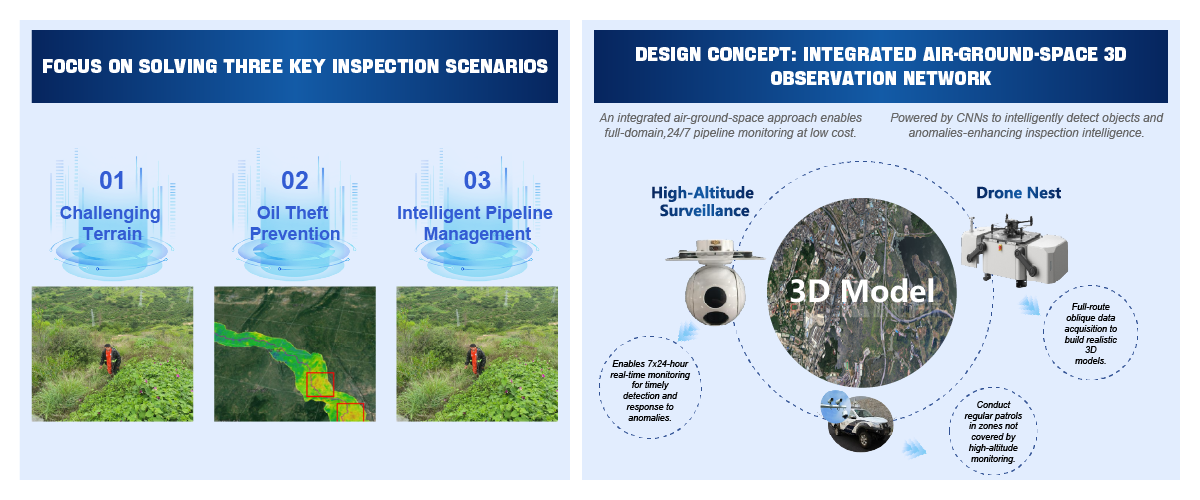
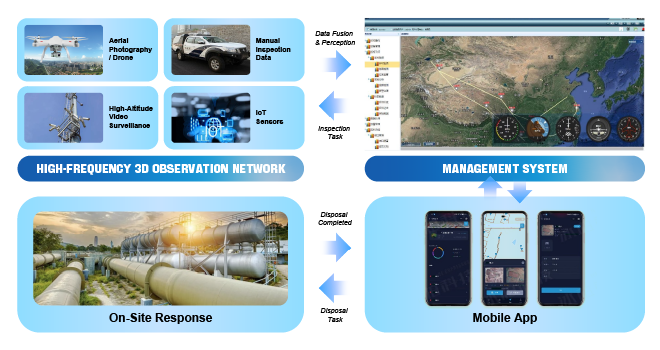
The solution combines aerial monitoring, UAV inspection, ground-based sensing, AI-assisted visual analysis, and digital twin technology to support pipeline monitoring, anomaly detection, risk assessment, and coordinated field response across large pipeline networks.
Manual inspection can be time-consuming and difficult to sustain across long pipeline corridors, especially in remote or complex terrain. Data collection, reporting, and location records may also be fragmented, making continuous monitoring and follow-up more difficult.
Standalone sensors such as fiber-optic or leak-detection systems can provide valuable monitoring data, but coverage, visualization, deployment cost, and integration may vary significantly across different pipeline environments.
When inspection, monitoring, alerts, and field response operate as separate workflows, it becomes harder to maintain a consistent view of pipeline condition, surrounding activity, and emerging risks across large networks.
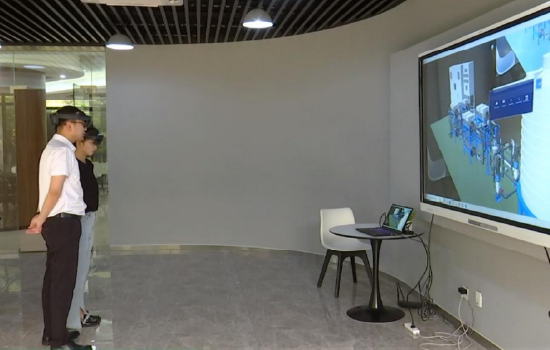
The solution combines high-altitude observation, UAV patrols, ground-based sensors, 3D spatial data, AI-assisted visual analysis, and digital twin technology within a unified monitoring environment. This enables pipeline teams to connect inspection, anomaly detection, alerts, spatial analysis, and field response while maintaining a consistent operational view across the pipeline corridor.

High-altitude monitoring, UAV inspection, and 3D spatial data can extend monitoring coverage across the pipeline corridor, with supported configurations covering areas up to 2 km on either side of the route.
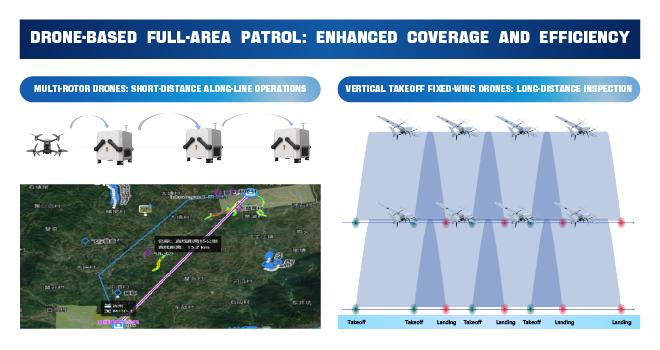
Multirotor and VTOL UAV configurations support inspection across varied terrain, long-distance corridors, and different mission durations, allowing teams to adapt deployment to specific operating conditions.
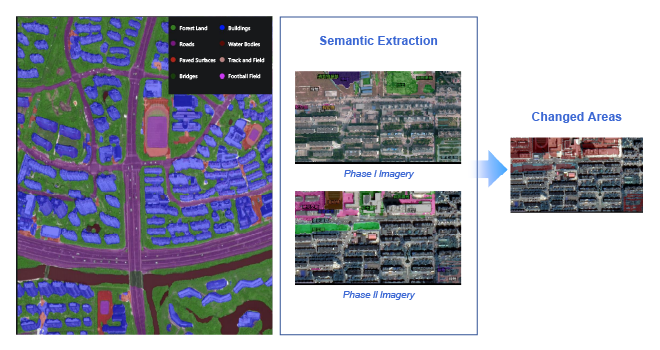
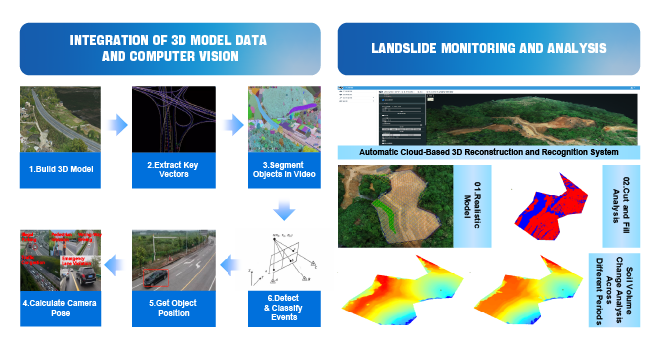
Multi-modal imagery and the AIE-SEG model support segmentation and classification of nearly 100 ground-object types, while 3D spatial data and computer vision improve small-target analysis and environmental change detection across long pipeline corridors.
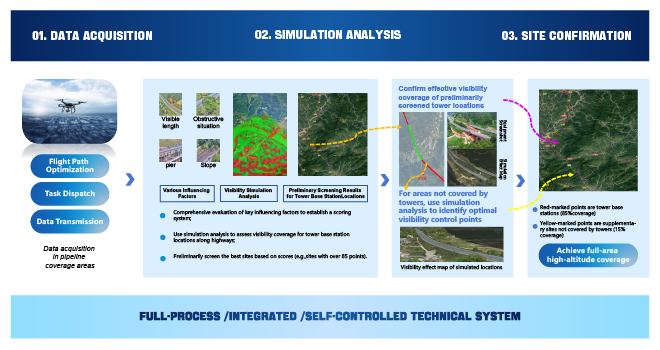
3D spatial analysis can support monitoring-site selection and visibility assessment, while UAVs and connected sensing reduce the amount of manual inspection required across difficult or remote pipeline sections.


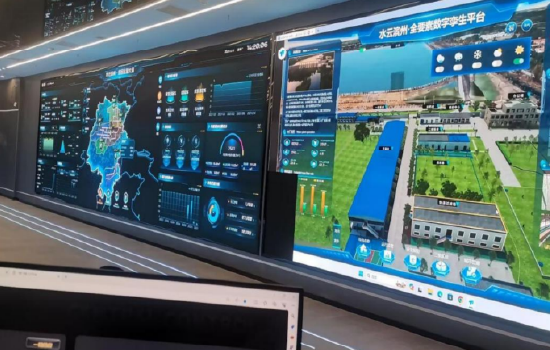
Jointly built with Binzhou Water Group — Shuiyun Binzhou: Integrated Supervision, Operation & Management Water Utility SaaS Platform and Digital Twin Development Project

Selected as a 2024 Smart Water Utility Typical Case by the Ministry of Housing and Urban-Rural Development (MOHURD)

Accurate pipeline simulation and real-time monitoring effectively improve O&M efficiency and pipeline network safety.
Share your application, project environment and technical requirements.
Follow Us :

Visual spatial intelligence for mapping, reconstruction and analysis.
Copyright © 2026 ICE CYPRESS. All rights reserved.