Water utilities must balance supply and demand, maintain stable pressure, manage energy consumption, and respond to abnormal operating conditions. As networks become more complex, collecting data alone is not enough. Operators need analytical methods that turn sensor readings, asset information, and operating history into practical decisions.
An effective AI decision layer connects monitoring with scheduling optimization, anomaly detection, and equipment failure risk assessment. At Icecypress Technology, we combine digital twin visualization, connected operational data, and AI-assisted analysis to support smarter infrastructure management. The objective is to help water operators understand network conditions and make better-informed decisions throughout daily operations.
Establishing a Reliable Data Foundation
AI decisions are only as useful as the information behind them. Water utilities collect readings from flow meters, pressure sensors, water quality instruments, pumps, treatment facilities, and distribution networks. These sources may use different data formats and reporting intervals, creating gaps that affect analysis.
Before developing algorithms, teams should standardize timestamps, measurement units, asset identifiers, and data quality rules. Missing readings, sensor drift, communication delays, and inconsistent records should be identified and handled explicitly. Models should also distinguish genuine operational changes from unreliable measurements.
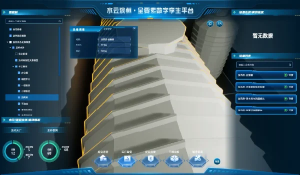
At Icecypress Technology, we integrate IoT data, BIM models, GIS information, and digital twin visualization within a unified operational environment. This allows operators to review equipment conditions and network information alongside their spatial context. Our platform provides a foundation for smart water management solutions by connecting data interpretation with asset-level operational awareness.
Scheduling Optimization: Balancing Demand, Pressure, and Energy
Water scheduling involves coordinating pumps, reservoirs, treatment processes, and distribution zones while meeting demand and operating constraints. The challenge is not simply to minimize electricity consumption. Utilities must also maintain acceptable pressure, respect equipment operating limits, and preserve sufficient reserve capacity.
A scheduling algorithm can begin with a defined objective function. Depending on available data, this may combine energy costs, target reservoir levels, pressure requirements, and the cost of switching equipment on or off. Constraints represent physical and operational limits, including pump capacity, treatment throughput, and minimum service requirements.
Demand forecasts and historical operating patterns can inform scheduling decisions, but forecasts should be evaluated against actual results. Operators should review proposed schedules before implementation, particularly when demand changes rapidly or operating conditions fall outside the model’s training data.
Our digital twin-powered platform brings equipment status, network information, and operational data into a shared 3D environment. Where suitable models and integrations are available, teams can assess operating scenarios and compare scheduling options before deciding how to proceed. This gives smart water management solutions a practical connection between analytical recommendations and infrastructure operations.
Anomaly Detection: Distinguishing Real Problems from Normal Variation
Anomaly detection identifies measurements or patterns that differ from expected operating behavior. In water networks, potential warning signs include unexplained pressure drops, unusual flow changes, abnormal pump power consumption, and discrepancies between expected and measured reservoir levels.
A basic algorithm may use fixed thresholds, such as a pressure reading outside an approved operating range. This method is easy to interpret but can generate excessive alerts when demand varies or sensor readings fluctuate. Statistical methods can add context by comparing current readings with historical patterns for similar operating periods.
Machine learning can extend this approach by identifying relationships among multiple variables. For example, a pressure change accompanied by unusual flow and pump behavior may warrant a different response from an isolated sensor fluctuation. However, the model must be tested against representative operating conditions, including known incidents and normal seasonal variation.
At Icecypress Technology, our platform supports machine-learning-based anomaly identification, equipment status monitoring, and alerts within a digital twin environment. Linking an alert to its corresponding asset and location helps operators investigate the issue using relevant maintenance records and current operating information.
Equipment Failure Risk: Turning Historical Data into Maintenance Priorities
Equipment failure risk assessment uses operating history, maintenance records, and current measurements to identify assets that may require closer attention. Pumps, motors, valves, and treatment equipment can show changes in vibration, temperature, pressure, or energy consumption before a serious fault becomes apparent.
Algorithm design should account for equipment type, service age, operating conditions, and maintenance history. A model trained on one pump configuration may not perform equally well on another. Teams should evaluate false alarms, missed events, and warning lead times before using model outputs to prioritize maintenance.
Risk scores should support, rather than replace, engineering judgment. Operators need understandable reasons for an alert, access to supporting evidence, and a clear process for confirming faults. Maintenance teams should also feed verified inspection findings back into model evaluation so performance can be reviewed over time.
For water lifecycle management, this approach connects monitoring with inspection, maintenance planning, and asset records. Our digital twin environment provides a spatial view of infrastructure and equipment information, helping teams relate analytical findings to physical assets and coordinate follow-up work.
Connecting Algorithms to Operational Decisions
A decision layer must do more than produce scores or alerts. It needs defined workflows that translate analytical outputs into appropriate actions.
A practical implementation typically includes:
Prioritization: Rank alerts by potential service impact, severity, and confidence.
Human review: Let authorized personnel assess recommendations and resolve conflicting signals.
Operational feedback: Record decisions, completed maintenance, and actual outcomes for subsequent evaluation.
Performance monitoring: Track alert accuracy, energy consumption, pressure compliance, and response times.
These processes help utilities assess whether their smart water management solutions are delivering operational value. Automated control, where required, should depend on validated models, approved operating rules, appropriate safeguards, and integration with existing control systems. Not every analytical recommendation should directly change physical equipment settings.
Advancing Water Operations Through an Integrated Decision Layer
Effective AI for water infrastructure depends on reliable data, clearly defined optimization objectives, tested anomaly detection, and evidence-based maintenance prioritization. Digital twins provide the shared spatial and operational context needed to connect these capabilities with real assets.
At Icecypress Technology, we combine 3D digital twin visualization, IoT data integration, and AI-assisted analysis to support water utility operations. Our approach helps organizations connect monitoring, planning, and asset coordination within a unified environment.
By building these capabilities into a broader water lifecycle management strategy, utilities can develop more consistent decision-making processes, improve operational visibility, and allocate resources more effectively. The strongest results come from matching algorithm design to real engineering constraints and continuously evaluating performance against operational evidence.